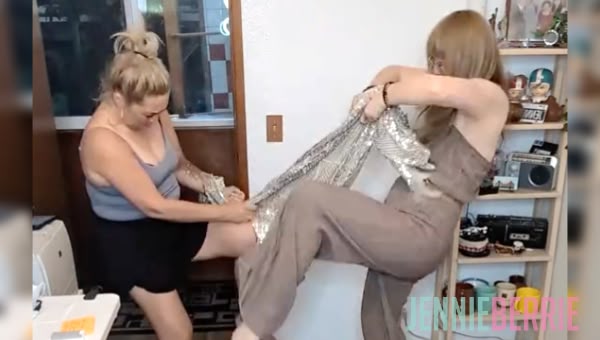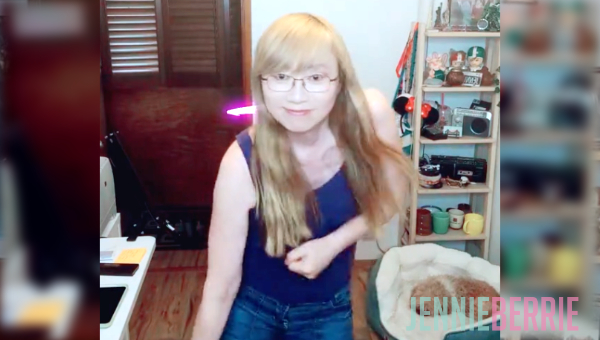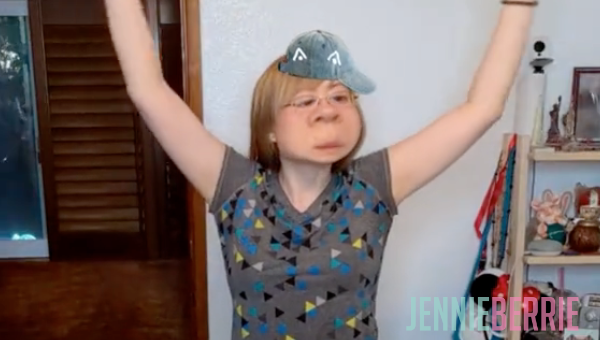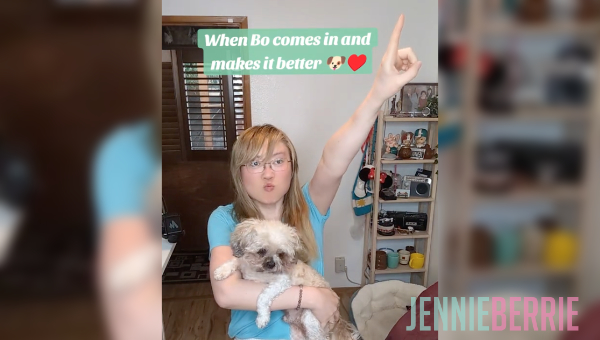
Uchiyamasan Dance Trend is Back. Have you ever noticed how certain viral videos and
@jennieberrie My first take and is a keeper ♥️ #uchiyamasan is trending again! 😂🤣 @内山さん(Uchiyamasan☀️) #shitzulove #dogsoftiktok #improv ♬ 楽天ポイントダンス - つわぶき
old creations seem to resurface every four years? This intriguing pattern seems more frequent than the typical five-year nostalgia cycle and aligns curiously with major events like the World Cup, the Olympic Games, and election cycles. It raises the question: are we conditioned by these regular four-year intervals, or is there a natural rhythm to this phenomenon?
Every four years, our attention is captured by significant global events. The FIFA World Cup and the Olympic Games are prime examples, bringing people together worldwide to celebrate sport and competition. Similarly, political landscapes shift as we elect new officials every four years. These events create a shared cultural rhythm, anchoring our collective memory and potentially influencing the resurgence of past content.
One theory suggests that these cyclical events condition us to expect and accept a four-year cycle in other aspects of our lives, including the resurgence of viral content. Major sporting events and elections are deeply embedded in our societal fabric, and their regular occurrence could subtly influence our perceptions and behaviors. This conditioning might make it feel natural for certain videos or trends to resurface every four years, as we subconsciously align them with these larger cycles.
On the other hand, there might be an inherent, natural cycle at play. Humans are naturally nostalgic creatures, often reflecting on the past as a way to connect with significant moments in our lives. A four-year period is long enough for us to develop a sense of nostalgia yet short enough for the content to remain relevant. This period allows us to look back fondly while still finding connections to our current lives, making the resurfacing of old videos and trends feel timely and meaningful.
Moreover, social media algorithms play a crucial role in this phenomenon. Platforms like TikTok, Instagram, and YouTube often promote older content based on anniversaries or user engagement patterns, further fueling the four-year resurgence. As people interact with these resurfaced videos, they gain new traction, creating a cycle of renewed interest and virality.
Ultimately, whether this pattern is a result of systemic conditioning or a natural occurrence remains an open question. It is likely a combination of both—our cultural cycles influence our perceptions and behaviors, while our innate nostalgic tendencies align with these cycles. Regardless of the cause, the four-year resurgence of viral videos is a fascinating reflection of how our collective memory and cultural rhythms intertwine.
So next time you see an old favorite video making the rounds again, consider the broader cycles at play. Whether driven by the rhythm of major global events or the natural ebb and flow of nostalgia, these resurging trends remind us of the interconnectedness of our past and present.